Glomerulonephritis
Glomerulonephritis
Glomerulonephritis can be treated in early stages by IVIG . Kidneys are vital part of our body. Their job is to remove waste products from the blood, which are passed out of the body in urine. About a million tiny filters in each kidney are called glomeruli. If these filtering units get inflamed (swollen) this is called glomerulonephritis. It means the kidneys are unable to work properly. Salt and excess fluid can build up, leading to complications such as high blood pressure and possibly kidney failure.
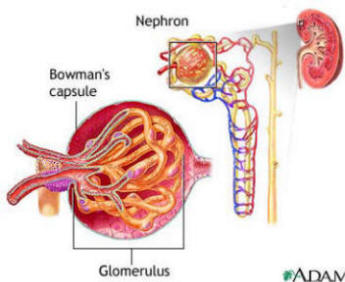
There are several types of glomerulonephritis; some are more serious and long-term than others. Glomerulonephritis may be short-lived (acute) and need minimal treatment. It may be present for many years without causing trouble, or it can develop into a long-term (chronic) condition.
Glomerulonephritis often follows an infection such as an infection of the throat (pharyngitis). These are usually autoimmune.
There are other conditions that cause glomerulonephritis and swelling in the kidneys such as infection, tumour growth, or disease within the kidney from long-term use of NSAIDs (non-steroidal anti-inflammatory drugs) such as aspirin.
Glomerulonephritis is more common in men than women. It often affects children and young people
Symptoms
There are several types of glomerulonephritis. If it has been caused by an infection, the early symptoms may include a sore throat. Inflammation in the kidneys may not be obvious at first. Symptoms of kidney damage can come on suddenly or appear up to three weeks after infection.
As a result of damage to the kidneys, glomerulonephritis can cause:
- swollen ankles,
- a puffy face,
- problems breathing,
- pale skin,
- headaches,
- visual problems,·
- fever,
- loss of appetite and
- vomiting.
In addition, there may be small amounts of blood in the urine and it may be cloudy. The normal urine output for an adult is between 0.8 and 2.5 litres per day. This can vary according to a number of factors such as how much you exercise and how hot or cold you are. In severe cases of glomerulonephritis, some people find that they do not urinate at all for 2-3 days. Once they are able to urinate again, there may still be blood and protein in the urine.
Some people get pain in the kidneys (in the upper back, behind the ribs). Kidney pain may be due to a kidney infection or kidney stones and not glomerulonephritis, so it is important to see your GP for correct diagnosis.
Causes
Glomerulonephritis is usually caused by changes in the body’s immune system. This is a complicated process involving antigens and antibodies. Antigens are foreign substances in the body such as proteins and toxins. Antibodies circulate in the blood and their job is to get rid of antigens. If these antigens and antibodies gather in the kidneys for any reason it can cause an inflammatory reaction (swelling). This reaction may just affect the kidney or may cause problems in other parts of the body.
Anyone who already has a chronic (long-term) autoimmune condition, such as lupus is at risk of developing glomerulonephritis. An autoimmune condition means that the body attacks its own cells accidentally.
Commonly, acute glomerulonephritis is linked to streptococci bacteria (beta haemolytic). This is referred to as acute post streptococcal glomerulonephritis (ASGN) and can follow a throat or skin infection.
Glomerulonephritis is also recognised as a serious complication of some other infections including AIDS/HIV, Hepatitis B, Hepatitis C, TB and syphilis. For this reason, injecting drug users are particularly at risk of developing glomerulonephritis.
Glomerulonephritis is a complication of many other diseases, including:
- cancer and leukaemia,
- hodgkin’s disease,
- diabetes,
- Goodpasture’s syndrome (an autoimmune disorder that affects the lungs and kidneys),
- liver disease, and
- sickle cell disease.
It is also recognised as a side effect of long-term use of certain drugs. Such drugs include, non-steroidal anti-inflammatory drugs (eg ibuprofen), gold injections (used in the treatment of rheumatoid arthritis), lithium (used in the treatment of depression) and penicillamine (used in the treatment of arthritis). Your GP should monitor your kidney function with renal tests if you are taking medicines that affect the function of the kidney.
Diagnosis
Often there are no symptoms at all. Sometimes glomerulonephritis is only diagnosed following a routine medical check-up, or during tests related to having high blood pressure, feeling tired or being pregnant. If you already have kidney disease, your doctor may want to test for glomerulonephritis.
If you have glomerulonephritis, a urine test will show up blood and protein in the urine. A range of tests will be carried out to assess how well your kidneys are working (renal function tests). These will include blood samples to find out levels of sodium, chloride, potassium and urea. Tests may show that you are producing less urine than usual overall.
If glomerulonephritis is suspected, the doctor may take a throat swab (scraping some cells from the back of your throat) a sample of to confirm the diagnosis.
Some varieties of glomerulonephritis are more serious than others. Your doctor may remove and examine a small sample of kidney tissue (a biopsy) to see how serious the glomerulonephritis is. This is usually done using local anaesthetic and a small needle. The test carries a small risk of bleeding.
Please go to next page for treatment
- Dematomyositis
- Trigger factors fibromyalgia
- back surgery.
- Neck pain
- Facet Joints pain
- Injuries
- Injuries
- Pain in body
- Common pain
- back pain
- D for pain
- avoid osteoporosis
- CIDP-family issue
- FMS CFS
- Symptoms FMS
- Cardiomyopathy
- Peripheral Neuropathy
- ALS & CIDP
- Types of neuropathy
- Altitude neuropathy
- help for heart
- safe hair color
- help for Diabetics
- skip mammogram
- help for prostate
- help for vitamins
- help for toxicity
🌞