Home
      Diagnosis
      Treatment
      Pathology
      Variants
      CIDP info
      GBS
      IVIG
      Diet
      About Us
       E-Book
      Email Web Weaver
      Autoimmune diseases
      News
      Links
 
 
  Skin repair Clinic
  Neck Pain
  Rabinder N Tagore
  Breast Lymph Drainage
  Osteoporosis
  Electronic Treatment
  Breast Size & Disease
  Female Sex Disease
  PARKINSON
  Memory problems
 Breast Lymph Drainage
 Kidney stone Buster
 Bras & breast cancer
  Lahore Clinic
 Lahore skin Clinic
 Pandas


  Clinics of Excellence

 Female sexual problems

Breast size and disease

Breast Lymph drainage

Bras causing breast cancer

Breast Size and disease

Eliminate risk of heart disease & stroke 

Memory clinic

Depression & anxiety

Private treatment of addiction  & Drug Rehab

Sexual  disorders Clinic

Parkinson Clinic

Epilepsy Clinic

Pain Clinic

Bone disorders clinic

Joint disorder clinic

Skin repair clinic

Gene Manipulation

Neurology Clinic

TMJ CLINIC

We offer a lecture on personality development and self improvement.


Is your teenage child out of your control we do behavior modification treatment with positive results and a 90% turnaround.

Our Nanoparticle treatment units are for sale. Get your treatment at home.

Sex in autoimmune disease

Reduce weight

Drug reaction prevention

Prevent Osteoporosis

Some rheumatic disorders
 

IgG subclass deficiency 

Immunglobulins

 Immunoglobulins -2

IgG

IgA 

IImmune dysfunction

 Clinics of Excellence

  Kidney stone removal   without surgery


Backpain

Fibromyalgia

Personality

Electrical Stimulation Therapy

Addison

Estrogen

DNA

Magnets and ageing

Alopecia treatment

Bald Facts

Alopecia

Areata Alopecia

Hair chemicals

Hair Growth

Hair of dog technique

Hair rejuvination

Alopecia general

Nail Fungus

 makeup

Lower cholestrol

Lower cholestrol

addison

 Myasthenia

            Myasthenia2

           Myasthenia 3

          Myasthenia Holostic

           Polymyositis

          Dematomyositis

           Poly Dermyato

            Myositis

             Myasthenia alt

              Myofacial pain

              Myopathy

             Fibromyalgia

Clinics of Excellence

Female sexual problems

Breast size and disease

Breast Lymph drainage

Bras causing breast cancer

Breast Size and disease

    Fibromyalgia

   Autoimmune diseases

   Autoimmmune diseases 1

  Autoimmune diseases -3

  Autoimmune aneurysm

  Auto

   Autoimmune info

  Autoimmune-4

  Autoimmune-5

  Autoimmune anemia

  Autoimmune inflammation

  Autoimmune Ear

  Autoimmune Thyroid

  Autoimmune muscle

  Autoimmune diseases

  Autoimmunity

  Autoimmunity-2

  Autonomic

     Quranic Shifa

   Mercury in makeup

     Toxic Lipstick

    Toxic Baby products

    Infants  and women omega-3

    Selenium

    Female sexual problems

    Breast size and disease

    Breast Lymph drainage

    Bras causing breast cancer

    Breast Size and disease

   Backpain

   Fibromyalgia

   Personality

 Electrical Stimulation Therapy

  Addison

  Estrogen

  DNA

  Magnets and ageing

   Aortic aneurysms

   Kidney therapy

   Sex in autoimmune disease

   Reduce weight

  Drug reaction prevention

   Prevent Osteoporosis

  Some rheumatic disorders

   Personality

  Alopecia treatment

   Bald Facts

  Alopecia

   Areata Alopecia

  Hair chemicals

  Hair Growth

  Hair of dog technique

   Hair rejuvination

   Alopecia general

  Nail Fungus

  SESAME SEED OIL

  Facial  cleaner

   oil pulling


More young women getting strokes

Mammograms trigger Breast Cancer

By pass heart surgery with antibiotic protocol from cidpusa, no stents, no angioplasty, no surgery.

Angioplasty and stents less effecftive.a

Vitamin D deficiency & Hypertension

Fosamax alert "causes  heart disease"

Ignore Published Medical Research  Opra

Autoimmune Diseases & teachers

Lasik surgery a diaster for     Pollution risk DVT

Statin caused Visual Loss   Cancer risk drink


Colorado University fails to diagnose scleroderma

Green tea helps autoimmune disease

3rd Biggest Cause of Death in USA is hospital care

Artificial sweeteners increase weight

Diabetic study halted Avandia risk?

USA Pharma drugs contaminated, Danger

CDC scientist demoted for cancer risk exposure

Women in childbearing age need folic acid

Don't stop toddler tantrums study

nt bottles a concern

Want more sex    Infant fortified food & IQ loss

 Boy or Girl   Autism & Mercury

 Before getting child vaccination read this

 Parents rejecting dangerous vaccine 

Botox causes deaths also in children

Autoimmune reaction kills teenager in breast surgery

Parkinson Prevention    Aids Vaccine alert

Folate Deficiency Triples Risk of Dementia

Mercury in Tuna Beware   Tanning beds unsafe

Fighting with spouse gets good results!

Vitamin D  deficiency causes high BP

Ultrasound dangers for  babies

Dont wait in a NHS clinic we do a 24 hr evaluation over the internet for medical problems

 Mobile phone Use Increases Tumour Risk

New Psoriasis Rx       LasiK Dangers

No cold meds to kids, says FDA

Calcium supplements cause stroke in women

Vitamin D extends life   Breast Size & disease

All over the world unnecessary stent placements are being done at huge healthcare costs. There is no justification to do these treatments at 40- 60% stenosis. No life is being saved. Help yourself  get alternate treatments. Please read this study on stents. Our treatment without surgery or stents.

FDA issues alert for osteoporosis medication in those patients who have muscle pains

Vitamin treatments are killing more people then non steroidal. Stop vitamin hoax today.

Chewing gum triggered weight loss

Appendicitis in 60%  of the cases is immune mediated. Appendix is a immune sensory organ! Get antibiotics ASAP! Drop the knife, some docs have been sleeping for a century.

AIDS is essentially a autoimmune disease with immune suppression, the cure is simple. AIDS is not spreading in countries where men have circumcision. Avoid HIV get circumscribed.

Mad Cow Disease is a autoimmune reaction to actinobacter. CJD is the result of the body's own immune response to a bacteria called Acinetobacter  Mad Cow is caused by a herbivore animal eating carnivore food. (beware of cows being fed dead animal feed)

Alzheimers is a autoimmune disease, fully reversible.

Cancers trigger a autoimmune response. Autoimmune plasma kills cancer cells.

All heart disease and strokes are autoimmune, the best way to lower cholesterol is to take EFA (essential fatty acid intake). High cholesterol can be controlled by a better diet,  avoid statins.

D-deficiency & Disease

Males avoid a Vasectomy. You will pay by kidney stones and low testosterone.

                  Please donate to help the poor and destitute women and children who get free care at our facility..

Spinal Injury help   Heimlich maneuver


                                   Scleroderma  - management at nanotechnology Center Lahore Pain

     
                        Autoimmune Disease has become the number one disease process

Please read our E-Book the flame within to stop heart disease, stroke and alzheimers.

Scleroderma         (cidpusa offers reversal of scleroderma) in the flame within E-BOOK ABOVE).

                                              at the Nanotech facility Scleroderma diagnosis on day 1. Instant Nano pulsar treatment

Publication Date: May 2001
Revised July 2006

Handout on Health: Scleroderma

This booklet is for people who have scleroderma, as well as for their family members, friends, and others who want to find out more about the disease. This booklet describes the different forms of scleroderma and provides information on their symptoms, diagnosis, and treatment, including what patients can do to help manage their disease and the problems associated with it. This booklet also highlights current research efforts into the understanding and treatment of scleroderma, many of which are supported by the National Institute of Arthritis and Musculoskeletal and Skin Diseases (NIAMS) and other components of the Department of Health and Human Services' National Institutes of Health (NIH). If you have further questions after reading this booklet, you may wish to discuss them with your doctor.

What Is Scleroderma?

Derived from the Greek words "sklerosis," meaning hardness, and "derma," meaning skin, scleroderma literally means hard skin. Though it is often referred to as if it were a single disease, scleroderma is really a symptom of a group of diseases that involve the abnormal growth of connective tissue, which supports the skin and internal organs. It is sometimes used, therefore, as an umbrella term for these disorders. In some forms of scleroderma, hard, tight skin is the extent of this abnormal process. In other forms, however, the problem goes much deeper, affecting blood vessels and internal organs, such as the heart, lungs, and kidneys.
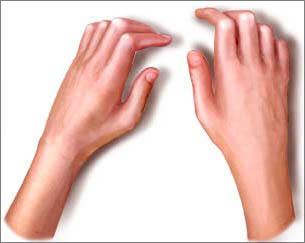
Scleroderma is called both a rheumatic (roo-MA-tik) disease and a connective tissue disease. The term rheumatic disease refers to a group of conditions characterized by inflammation and/or pain in the muscles, joints, or fibrous tissue. A connective tissue disease is one that affects tissues such as skin, tendons, and cartilage.

In this booklet we'll discuss the forms of scleroderma and the problems associated with each of them, as well as diagnosis and disease management. We'll also take a look at what research is telling us about their possible causes and most effective treatments. And we will describe ways for people with scleroderma to live longer, healthier, and more productive lives.

What Are the Different Types of Scleroderma?

The group of diseases we call scleroderma falls into two main classes: localized scleroderma and systemic sclerosis. (Localized diseases affect only certain parts of the body; systemic diseases can affect the whole body.) Both groups include subgroups. (See chart.) Although there are different ways these groups and subgroups may be broken down or referred to (and your doctor may use different terms from what you see here), the following is a common way of classifying these diseases:

Types of Scleroderma
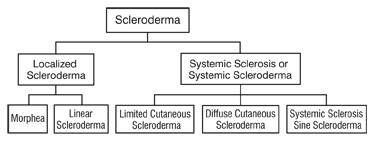
Chart describing two main subgroups of Scleroderma, Localized and Systemic Sclerosis. Localized Scleroderma has two subgroups: Morphea and Linea. Systemic Scleroderma has three subgroups: Limited, Diffuse, and Sine.


Localized Scleroderma

Localized types of scleroderma are those limited to the skin and related tissues and, in some cases, the muscle below. Internal organs are not affected by localized scleroderma, and localized scleroderma can never progress to the systemic form of the disease. Often, localized conditions improve or go away on their own over time, but the skin changes and damage that occur when the disease is active can be permanent. For some people, localized scleroderma is serious and disabling.

There are two generally recognized types of localized scleroderma:

Morphea: Morphea (mor-FEE-ah) comes from a Greek word that means "form" or "structure." The word refers to local patches of scleroderma. The first signs of the disease are reddish patches of skin that thicken into firm, oval-shaped areas. The center of each patch becomes ivory colored with violet borders. These patches sweat very little and have little hair growth. Patches appear most often on the chest, stomach, and back. Sometimes they appear on the face, arms, and legs.

Morphea can be either localized or generalized. Localized morphea limits itself to one or several patches, ranging in size from a half-inch to 12 inches in diameter. The condition sometimes appears on areas treated by radiation therapy. Some people have both morphea and linear scleroderma (described below). The disease is referred to as generalized morphea when the skin patches become very hard and dark and spread over larger areas of the body. Regardless of the type, morphea generally fades out in 3 to 5 years; however, people are often left with darkened skin patches and, in rare cases, muscle weakness.

Linear scleroderma: As suggested by its name, the disease is characterized by a single line or band of thickened and/or abnormally colored skin. Usually, the line runs down an arm or leg, but in some people it runs down the forehead. People sometimes use the French term en coup de sabre, or "sword stroke," to describe this highly visible line.

Systemic Scleroderma (also known as Systemic Sclerosis)

This is the term for the form of the disease that not only includes the skin, but also involves the tissues beneath, the blood vessels, and the major organs. Systemic sclerosis is typically broken down into limited cutaneous scleroderma and diffuse cutaneous scleroderma. Some doctors break systemic sclerosis down into a third subset called systemic sclerosis sine (SEEN-ay, Latin for "without") scleroderma. This means that patients have other manifestations of scleroderma but they do not have any overt skin thickening.

Limited cutaneous scleroderma: Limited cutaneous scleroderma typically comes on gradually and affects the skin only in certain areas: the fingers, hands, face, lower arms, and legs. Most people with limited disease have Raynaud's phenomenon for years before skin thickening starts. Telangiectasias and calcinosis often follow. (See definitions below.) Gastrointestinal involvement occurs commonly and some patients have severe lung problems, even though the skin thickening remains limited. People with limited disease often have all or some of the symptoms that some doctors call CREST, which stands for the following:
  • Calcinosis (KAL-sin-OH-sis): the formation of calcium deposits in the connective tissues, which can be detected by x ray. They are typically found on the fingers, hands, face, and trunk and on the skin above elbows and knees. When the deposits break through the skin, painful ulcers can result.
  • Raynaud's (ray-NOHZ) phenomenon: a condition in which the small blood vessels of the hands and/or feet contract in response to cold or anxiety. As the vessels contract, the hands or feet turn white and cold, then blue. As blood flow returns, they become red. Fingertip tissues may suffer damage, leading to ulcers, scars, or gangrene.
  • Esophageal (eh-SOFF-uh-GEE-ul) dysfunction: impaired function of the esophagus (the tube connecting the throat and the stomach) that occurs when smooth muscles in the esophagus lose normal movement. In the upper and lower esophagus, the result can be swallowing difficulties. In the lower esophagus, the result can be chronic heartburn or inflammation.
  • Sclerodactyly (SKLER-oh-DAK-till-ee): thick and tight skin on the fingers, resulting from deposits of excess collagen within skin layers. The condition makes it harder to bend or straighten the fingers. The skin may also appear shiny and darkened, with hair loss.
  • Telangiectasia (tel-AN-jee-ek-TAY-zee-uhs): a condition caused by the swelling of tiny blood vessels, in which small red spots appear on the hands and face. While not painful, these red spots can create cosmetic problems.

Diffuse cutaneous scleroderma: This condition typically comes on suddenly. Skin thickening begins in the hands and spreads quickly and over much of the body, affecting the hands, face, upper arms, upper legs, chest, and stomach in a symmetrical fashion (for example, if one arm or one side of the trunk is affected, the other is also affected). Some people may have more area of their skin affected than others. Internally, it can damage key organs such as the intestines, lungs, heart, and kidneys.

People with diffuse disease often are tired, lose appetite and weight, and have joint swelling and/or pain. Skin changes can cause the skin to swell, appear shiny, and feel tight and itchy.

The damage of diffuse scleroderma typically occurs over a few years. After the first 3 to 5 years, people with diffuse disease often enter a stable phase lasting for varying lengths of time. During this phase, symptoms subside: joint pain eases, fatigue lessens, and appetite returns. Progressive skin thickening and organ damage decrease.

Gradually, however, the skin may begin to soften, which tends to occur in reverse order of the thickening process: the last areas thickened are the first to begin softening. Some patients' skin returns to a somewhat normal state, while other patients are left with thin, fragile skin without hair or sweat glands. Serious new damage to the heart, lungs, or kidneys is unlikely to occur, although patients are left with whatever damage they have in specific organs.

People with diffuse scleroderma face the most serious long-term outlook if they develop severe kidney, lung, digestive, or heart problems. Fortunately, less than onethird of patients with diffuse disease develop these severe problems. Early diagnosis and continual and careful monitoring are important.

What Causes Scleroderma?

Although scientists don't know exactly what causes scleroderma, they are certain that people cannot catch it from or transmit it to others. Studies of twins suggest it is also not inherited. Scientists suspect that scleroderma comes from several factors that may include:

Abnormal immune or inflammatory activity: Like many other rheumatic disorders, scleroderma is believed to be an autoimmune disease. An autoimmune disease is one in which the immune system, for unknown reasons, turns against one's own body.

In scleroderma, the immune system is thought to stimulate cells called fibroblasts so they produce too much collagen. The collagen forms thick connective tissue that builds up within the skin and internal organs and can interfere with their functioning. Blood vessels and joints can also be affected.

Genetic makeup: While genes seem to put certain people at risk for scleroderma and play a role in its course, the disease is not passed from parent to child like some genetic diseases.

Environmental triggers: Research suggests that exposure to some environmental factors may trigger sclerodermalike disease (which is not actually scleroderma) in people who are genetically predisposed to it. Suspected triggers include viral infections, certain adhesive and coating materials, and organic solvents such as vinyl chloride or trichloroethylene. But no environmental agent has been shown to cause scleroderma. In the past, some people believed that silicone breast implants might have been a factor in developing connective tissue diseases such as scleroderma. But several studies have not shown evidence of a connection.

Hormones: By the middle to late childbearing years (ages 30 to 55) women develop scleroderma 7 to 12 times more often than men. Because of female predominance at this and all ages, scientists suspect that hormonal differences between women and men play a part in the disease. However, the role of estrogen or other female hormones has not been proven.

Who Gets Scleroderma?

A lthough scleroderma is more common in women, the disease also occurs in men and children. It affects people of all races and ethnic groups. However, there are some patterns by disease type. For example:

  • Localized forms of scleroderma are more common in people of European descent than in African Americans. Morphea usually appears between the ages of 20 and 40, and linear scleroderma usually occurs in children or teenagers.
  • Systemic scleroderma, whether limited or diffuse, typically occurs in people from 30 to 50 years old. It affects more women of African American than European descent.

Because scleroderma can be hard to diagnose and it overlaps with or resembles other diseases, scientists can only estimate how many cases there actually are. Estimates for the number of people in the United States with systemic sclerosis range from 40,000 to 165,000. By contrast, a survey that included all scleroderma-related disorders, including Raynaud's phenomenon, suggested a number between 250,000 and 992,500.

For some people, scleroderma (particularly the localized forms) is fairly mild and resolves with time. But for others, living with the disease and its effects day to day has a significant impact on their quality of life.

How Is Scleroderma Diagnosed?

Depending on your particular symptoms, a diagnosis of scleroderma may be made by a general internist, a dermatologist (a doctor who specializes in treating diseases of the skin, hair, and nails), an orthopaedist (a doctor who treats bone and joint disorders), a pulmonologist (lung specialist), or a rheumatologist (a doctor specializing in treatment of musculoskeletal disorders and rheumatic diseases). A diagnosis of scleroderma is based largely on the medical history and findings from the physical exam. To make a diagnosis, your doctor will ask you a lot of questions about what has happened to you over time and about any symptoms you may be experiencing. Are you having a problem with heartburn or swallowing? Are you often tired or achy? Do your hands turn white in response to anxiety or cold temperatures?

Once your doctor has taken a thorough medical history, he or she will perform a physical exam. Finding one or more of the following factors can help the doctor diagnose a certain form of scleroderma:

  • changed skin appearance and texture, including swollen fingers and hands and tight skin around the hands, face, mouth, or elsewhere
  • calcium deposits developing under the skin
  • changes in the tiny blood vessels (capillaries) at the base of the fingernails
  • thickened skin patches.

Finally, your doctor may order lab tests to help confirm a suspected diagnosis. At least two proteins, called antibodies, are commonly found in the blood of people with scleroderma:

  • Antitopoisomerase-1 or Anti-Scl-70 antibodies appear in the blood of up to 30 percent of people with diffuse systemic sclerosis.
  • Anticentromere antibodies are found in the blood of as many as 50 percent of people with limited systemic sclerosis.

A number of other scleroderma-specific antibodies can occur in people with scleroderma, although less frequently. When present, however, they are helpful in clinical diagnosis and may give additional information as to the risks for specific organ problems.

Because not all people with scleroderma have these antibodies and because not all people with the antibodies have scleroderma, lab test results alone cannot confirm the diagnosis.

In some cases, your doctor may order a skin biopsy (the surgical removal of a small sample of skin for microscopic examination) to aid in or help confirm a diagnosis. However, skin biopsies, too, have their limitations: biopsy results cannot distinguish between localized and systemic disease, for example.

Diagnosing scleroderma is easiest when a person has typical symptoms and rapid skin thickening. In other cases, a diagnosis may take months, or even years, as the disease unfolds and reveals itself and as the doctor is able to rule out some other potential causes of the symptoms. In some cases, a diagnosis is never made, because the symptoms that prompted the visit to the doctor go away on their own.

Some patients have some symptoms related to scleroderma and may fit into one of the following groups:

  • Undifferentiated connective tissue disease (UCTD): This is a term for patients who have some signs and symptoms of various related diseases, but not enough symptoms of any one disease to make a definitive diagnosis. In other words, their condition hasn't "differentiated" into a particular connective tissue disease. In time, UCTD can go in one of three directions: it can change into a systemic disease such as systemic sclerosis, systemic lupus erythematosus, or rheumatoid arthritis; it can remain undifferentiated; or it can improve spontaneously.
  • Overlap syndromes: This is a disease combination in which patients have symptoms and lab findings characteristic of two or more conditions.

What Other Conditions Can Look Like Scleroderma?

A number of other diseases have symptoms similar to those seen in scleroderma. Here are some of the most common scleroderma "look-alikes."

Eosinophilic fasciitis (EF) (EE-oh-SIN-oh-FIL-ik fashi-EYE-tis): This disease involves the fascia (FA-shuh), the thin connective tissue around the muscles, particularly those of the forearms, arms, legs, and trunk. EF causes the muscles to become encased in collagen, the fibrous protein that makes up tissue such as the skin and tendons. Permanent shortening of the muscles and tendons, called contractures, may develop, sometimes causing disfigurement and problems with joint motion and function. EF may begin after hard physical exertion. The disease usually fades away after several years, but people sometimes have relapses. Although the upper layers of the skin are not thickened in EF, the thickened fascia may cause the skin to look somewhat like the tight, hard skin of scleroderma. A skin biopsy easily distinguishes between the two.

Skin thickening on the fingers and hands: This also appears with diabetes, mycosis fungoides, amyloidosis, and adult celiac disease. It can also result from hand trauma.

Generalized scleroderma-like skin thickening: This may occur with scleromyxedema, graft-versus-host disease, porphyria cutanea tarda, and human adjuvant disease.

Internal organ damage: Similar to that seen in systemic sclerosis, this may instead be related to primary pulmonary hypertension, idiopathic pulmonary fibrosis, or collagenous colitis.

Raynaud's phenomenon: This condition also appears with atherosclerosis or systemic lupus erythematosus or in the absence of underlying disease.

An explanation of most of these other diseases is beyond the scope of this booklet. What's important to understand, however, is that diagnosing scleroderma isn't always easy, and it may take time for you and your doctor to do this. While having a definite diagnosis may be helpful, you do not need to know the precise form of your disease to receive proper treatment.

How Is Scleroderma Treated?

Because scleroderma can affect many different organs and organ systems, you may have several different doctors involved in your care. Typically, care will be managed by a rheumatologist (a doctor specializing in treatment of musculoskeletal disorders and rheumatic diseases). Your rheumatologist may refer you to other specialists, depending on the specific problems you are having. For example, you may see a dermatologist for the treatment of skin symptoms, a nephrologist for kidney complications, a cardiologist for heart complications, a gastroenterologist for problems of the digestive tract, and a pulmonary specialist for lung involvement.

In addition to doctors, professionals like nurse practitioners, physician assistants, physical or occupational therapists, psychologists, and social workers may play a role in your care. Dentists, orthodontists, and even speech therapists can treat oral complications that arise from thickening of tissues in and around the mouth and on the face.

Currently, there is no treatment that controls or stops the underlying problem - the overproduction of collagen - in all forms of scleroderma. Thus, treatment and management focus on relieving symptoms and limiting damage. Your treatment will depend on the particular problems you are having. Some treatments will be prescribed or given by your physician. Others are things you can do on your own.

Here is a listing of the potential problems that can occur in systemic scleroderma and the medical and nonmedical treatments for them. These problems do not occur as a result or complication of localized scleroderma. This listing is not complete because different people experience different problems with scleroderma and not all treatments work equally well for all people. Work with your doctor to find the best treatment for your specific symptoms.

Raynaud's Phenomenon: More than 90 percent of people with scleroderma have this condition, in which the fingers and sometimes other extremities change color in response to cold temperature or anxiety. For many, Raynaud's phenomenon precedes other manifestations of the disease. In other people, however, Raynaud's phenomenon is unrelated to scleroderma, but may signal damage to the blood vessels supplying the hands arising from occupational injuries (from using jackhammers, for example), trauma, excessive smoking, circulatory problems, and drug use or exposure to toxic substances. For some people, cold fingers and toes are the extent of the problem and are little more than a nuisance. For others, the condition can worsen and lead to puffy fingers, finger ulcers, and other complications that require aggressive treatment.

If you have Raynaud's phenomenon, the following measures may make you more comfortable and help prevent problems:

  • Don't smoke! Smoking narrows the blood vessels even more and makes Raynaud's phenomenon worse.
  • Dress warmly, with special attention to hands and feet. Dress in layers and try to stay indoors during cold weather.
  • Use biofeedback, which governs various body processes that are not normally thought of as being under conscious control, and relaxation exercises.
  • For severe cases, speak to your doctor about prescribing drugs called calcium channel blockers, such as nifedipine (Procardia*), which can open up small blood vessels and improve circulation. Other drugs are in development and may become available.
  • If Raynaud's leads to skin sores or ulcers, increasing your dose of calcium channel blockers (under the direction of your doctor ONLY) may help. You can also protect skin ulcers from further injury or infection by applying nitroglycerine paste or antibiotic cream. Severe ulcerations on the fingertips can be treated with bioengineered skin.

*Brand names included in this booklet are provided as examples only, and their inclusion does not mean that these products are endorsed by the National Institutes of Health or any other Government agency. Also, if a particular brand name is not mentioned, this does not mean or imply that the product is unsatisfactory.

Stiff, painful joints: In diffuse systemic sclerosis, hand joints can stiffen due to hardened skin around the joints or inflammation within them. Other joints can also become stiff and swollen.

  • Stretching exercises under the direction of a physical and/or occupational therapist are extremely important to prevent loss of joint motion. These should be started as soon as the diagnosis of scleroderma is made.
  • Exercise regularly. Ask your doctor or physical therapist about an exercise plan that will help you increase and maintain range of motion in affected joints. Swimming can help maintain muscle strength, flexibility, and joint mobility.
  • Use acetaminophen or an over-the-counter or prescription nonsteroidal anti-inflammatory drug, as recommended by your doctor, to help relieve joint or muscle pain. If pain is severe, speak to a rheumatologist about the possibility of prescription-strength drugs to ease pain and inflammation.
  • Learn to do things in a new way. A physical or occupational therapist can help you learn to perform daily tasks, such as lifting and carrying objects or opening doors, in ways that will put less stress on tender joints.

Skin problems: When too much collagen builds up in the skin, it crowds out sweat and oil glands, causing the skin to become dry and stiff. If your skin is affected, you may need to see a dermatologist. To ease dry skin, try the following:

  • Apply oil-based creams and lotions frequently, and always right after bathing.
  • Apply sunscreen before you venture outdoors, to protect against further damage from the sun's rays.
  • Use humidifiers to moisten the air in your home in colder winter climates. Clean humidifiers often to stop bacteria from growing in the water.
  • Avoid very hot baths and showers, as hot water dries the skin.
  • Avoid harsh soaps, household cleaners, and caustic chemicals, if at all possible. Otherwise, be sure to wear rubber gloves when you use such products.
  • Exercise regularly. Exercise, especially swimming, stimulates blood circulation to affected areas.

Dry mouth and dental problems: Dental problems are common in people with scleroderma for a number of reasons. Tightening facial skin can make the mouth opening smaller and narrower, which makes it hard to care for teeth; dry mouth due to salivary gland damage speeds up tooth decay; and damage to connective tissues in the mouth can lead to loose teeth. You can avoid tooth and gum problems in several ways:

  • Brush and floss your teeth regularly. If hand pain and stiffness make this difficult, consult your doctor or an occupational therapist about specially made toothbrush handles and devices to make flossing easier.
  • Have regular dental checkups. Contact your dentist immediately if you experience mouth sores, mouth pain, or loose teeth.
  • If decay is a problem, ask your dentist about fluoride rinses or prescription toothpastes that remineralize and harden tooth enamel.
  • Consult a physical therapist about facial exercises to help keep your mouth and face more flexible.
  • Keep your mouth moist by drinking plenty of water, sucking ice chips, using sugarless gum and hard candy, and avoiding mouthwashes with alcohol. If dry mouth still bothers you, ask your doctor about a saliva substitute, or prescription medications such as Salagen or Evoxac, that can stimulate the flow of saliva.

Gastrointestinal (GI) problems: Systemic sclerosis can affect any part of the digestive system. As a result, you may experience problems such as heartburn, difficulty swallowing, early satiety (the feeling of being full after you've barely started eating), or intestinal complaints such as diarrhea, constipation, and gas. In cases where the intestines are damaged, your body may have difficulty absorbing nutrients from food. Although GI problems are diverse, here are some things that might help at least some of the problems you have:

  • Eat small, frequent meals.
  • To keep stomach contents from backing up into the esophagus, stand or sit for at least an hour (preferably two or three) after eating. When it is time to sleep, keep the head of your bed raised using blocks.
  • Avoid late-night meals, spicy or fatty foods, alcohol, and caffeine, which can aggravate GI distress.
  • Eat moist, soft foods, and chew them well. If you have difficulty swallowing, or if your body doesn't absorb nutrients properly, your doctor may prescribe a special diet.
  • Ask your doctor about prescription medications for problems such as diarrhea, constipation, and heartburn. Some drugs called proton pump inhibitors are highly effective against heartburn. Oral antibiotics may stop bacterial overgrowth in the bowel that can be a cause of diarrhea in some people with systemic sclerosis.

Lung damage: Virtually all people with systemic sclerosis have some loss of lung function. Some develop severe lung disease, which comes in two forms: pulmonary fibrosis (hardening or scarring of lung tissue because of excess collagen) and pulmonary hypertension (high blood pressure in the artery that carries blood from the heart to the lungs). Treatment for the two conditions is different:

  • Pulmonary fibrosis may be treated with drugs that suppress the immune system such as cyclophosphamide (Cytoxan) or azathioprine (Imuran), along with low doses of corticosteroids.
  • Pulmonary hypertension may be treated with drugs that dilate the blood vessels such as prostacyclin (Iloprost), or with newer medications that are prescribed specifically for treating pulmonary hypertension.

Regardless of your particular lung problem or its medical treatment, your role in the treatment process is essentially the same. To minimize lung complications, work closely with your medical team. Do the following:

  • Watch for signs of lung disease, including fatigue, shortness of breath or difficulty breathing, and swollen feet. Report these symptoms to your doctor.
  • Have your lungs closely checked, using standard lung-function tests, during the early stages of skin thickening. These tests, which can find problems at the earliest and most treatable stages, are needed because lung damage can occur even before you notice any symptoms.
  • Get regular flu and pneumonia vaccines as recommended by your doctor. Contracting either illness could be dangerous for a person with lung disease.

Heart problems: Common among people with scleroderma, heart problems include scarring and weakening of the heart (cardiomyopathy), inflamed heart muscle (myocarditis), and abnormal heart beat (arrhythmia). All of these problems can be treated. Treatment ranges from drugs to surgery, and varies depending on the nature of the condition.

Kidney problems: Renal crisis occurs in about 10 percent of all patients with scleroderma, primarily those with early diffuse scleroderma. Renal crisis results in severe uncontrolled high blood pressure, which can quickly lead to kidney failure. It's very important that you take measures to identify and treat the hypertension as soon as it occurs. These are things you can do:

  • Check your blood pressure regularly. You should also check it if you have any new or different symptoms such as a headache or shortness of breath. If the blood pressure is higher than usual, call your doctor right away.
  • If you have kidney problems, take your prescribed medications faithfully. In the past two decades, drugs known as ACE (angiotensin-converting enzyme) inhibitors, including captopril (Capoten), enalapril (Vasotec), or lisinopril, have made scleroderma-related kidney failure a less threatening problem than it used to be. But for these drugs to work, you must take them as soon as the hypertension is present.

Cosmetic problems: Even if scleroderma doesn't cause any lasting physical disability, its effects on the skin's appearance - particularly on the face - can take their toll on your self-esteem. Fortunately, there are procedures to correct some of the cosmetic problems scleroderma causes:

  • The appearance of telangiectasias - small red spots on the hands and face caused by swelling of tiny blood vessels beneath the skin - may be reduced or even eliminated with the use of guided lasers.
  • Facial changes of localized scleroderma - such as the en coup de sabre that may run down the forehead in people with linear scleroderma - may be corrected through cosmetic surgery. (However, such surgery is not appropriate for areas of the skin where the disease is active.)

How Can Scleroderma Affect My Life?

Having a chronic disease can affect almost every aspect of your life, from family relationships to holding a job. For people with scleroderma, there may be other concerns about appearance or even the ability to dress, bathe, or handle the most basic daily tasks. Here are some areas in which scleroderma could intrude.

Appearance and self-esteem: Aside from the initial concerns about health and longevity, people with scleroderma quickly become concerned with how the disease will affect their appearance. Thick, hardened skin can be difficult to accept, particularly on the face. Systemic scleroderma may result in facial changes that eventually cause the opening to the mouth to become smaller and the upper lip to virtually disappear. Linear scleroderma may leave its mark on the forehead. Although these problems can't always be prevented, their effects may be minimized with proper treatment. Also, special cosmetics - and in some cases, plastic surgery - can help conceal scleroderma's damage.

Caring for yourself: Tight, hard connective tissue in the hands can make it difficult to do what were once simple tasks, such as brushing your teeth and hair, pouring a cup of coffee, using a knife and fork, unlocking a door, or buttoning a jacket. If you have trouble using your hands, consult an occupational therapist, who can recommend new ways of doing things or devices to make tasks easier. Devices as simple as Velcro fasteners and built-up brush handles can help you be more independent.

Family relationships: Spouses, children, parents, and siblings may have trouble understanding why you don't have the energy to keep house, drive to soccer practice, prepare meals, and hold a job the way you used to. If your condition isn't that visible, they may even suggest you are just being lazy. On the other hand, they may be overly concerned and eager to help you, not allowing you to do the things you are able to do or giving up their own interests and activities to be with you. It's important to learn as much about your form of the disease as you can and share any information you have with your family. Involving them in counseling or a support group may also help them better understand the disease and how they can help you.

Sexual relations: Sexual relationships can be affected when systemic scleroderma enters the picture. For men, the disease's effects on the blood vessels can lead to problems achieving an erection. For women, damage to the moisture-producing glands can cause vaginal dryness that makes intercourse painful. People of either sex may find they have difficulty moving the way they once did. They may be self-conscious about their appearance or afraid that their sexual partner will no longer find them attractive. With communication between partners, good medical care, and perhaps counseling, many of these changes can be overcome or at least worked around.

Pregnancy and childbearing: In the past, women with systemic scleroderma were often advised not to have children. But thanks to better medical treatments and a better understanding of the disease itself, that advice is changing. (Pregnancy, for example, is not likely to be a problem for women with localized scleroderma.) Although blood vessel involvement in the placenta may cause babies of women with systemic scleroderma to be born early, many women with the disease can have safe pregnancies and healthy babies if they follow some precautions.

One of the most important pieces of advice is to wait a few years after the disease starts before attempting a pregnancy. During the first 3 years, you are at the highest risk of developing severe problems of the heart, lungs, or kidneys that could be harmful to you and your unborn baby.

If you haven't developed severe organ problems within 3 years of the disease's onset, your chances of such problems are less and pregnancy would be safer. But it is important to have both your disease and your pregnancy monitored regularly. You'll probably need to stay in close touch with both the doctor you typically see for your scleroderma and an obstetrician who is experienced in guiding high-risk pregnancies.

How Can I Play a Role in My Health Care?

Although your doctors direct your treatment, you are the one who must take your medicine regularly, follow your doctor's advice, and report any problems promptly. In other words, the relationship between you and your doctors is a partnership, and you are the most important partner. Here's what you can do to make the most of this important role.

  • Get educated: Knowledge is your best defense against this disease. Learn as much as you can about scleroderma, both for your own benefit and to educate the people in your support network. (See below.)
  • Seek support: Recruit family members, friends, and coworkers to build a support network. This network will help you get through difficult times: when you are in pain; when you feel angry, sad, or afraid; when you're depressed. Also, look for a scleroderma support group in your community by calling a national scleroderma organization. (See For More Information.) If you can't find a support group, you might want to consider organizing one.
  • Assemble a health care team: You and your doctors will lead the team. Other members may include physical and occupational therapists, a psychologist or social worker, a dentist, and a pharmacist.
  • Be patient: Understand that a final diagnosis can be difficult and may take a long time. Find a doctor with experience treating people with systemic and localized scleroderma. Then, even if you don't yet have a diagnosis, you will get understanding and the right treatment for your symptoms.
  • Speak up: When you have problems or notice changes in your condition, don't feel too selfconscious to speak up during your appointment or even call your doctor or another member of your health care team. No problem is too small to inquire about, and early treatment for any problem can make the disease more manageable.
  • Don't accept depression: While it's understandable that a person with a chronic illness like scleroderma would become depressed, don't accept depression as a normal consequence of your condition. If depression makes it hard for you to function well, don't hesitate to ask your health care team for help. You may benefit from speaking with a psychologist or social worker or from using one of the effective medications on the market.
  • Learn coping skills: Meditation, calming exercises, and relaxation techniques may help you cope with emotional difficulties, and relieve pain and fatigue. Ask a member of your health care team to teach you these skills or to refer you to someone who can.
  • Ask the experts: If you have problems doing daily activities, from brushing your hair and teeth to driving your car, consult an occupational or physical therapist. They have more helpful hints and devices than you can probably imagine. Social workers can often help resolve financial and insurance matters.


                     Click here to see all the diseases we treat and complete info on our facility.      

                This will offer Treatment for Autoimmune disorders.

                                                         Low Cost

                         Treatments to turn off  inflammation at the source.


Read the amazing story of a miracle happened on Southern California Highways  

 ALS patients improve with anti-inflammatory Rx

Skin Glow Guide

Breaking news re CIDP

Cholesterol Myth

Bras causing Breast Cancer

Green tea       Women over 60 headache

 Bees disappearance

Sunscreen causes skin cancer

Lowering cholesterol wont prevent a heart attack!

An-aspirin-a-day can GIVE you a stroke!

Lose your fat

Folate deficiency causes stroke

New dangers in estrogen therapy!

Calcium intake CAN’T stop osteoporosis

Fibromyalgia a very common disorder

A Food for Cancer

Children studies in CIDP GBS

A normal EMG/NCV in CIDP

Botox caused CIDP

Anger & Inflammation

Prayer & Inflammation

Emerging  News Must read, (SOS)

MS caused by Virus

Immune dysfunction in Chronic Fatigue

Diabetes a autoimmune disease?

Tranverse Myelitis & treatment

CIDP cure after tonsillectomy

Polyneuropathy from Statins

Autonomic involvement in CIDP

Polyneuropathy

Myasthenia CIDP MS

      Central Location for easy access for patients in Europe, Africa, Middle East , Asia  and  Australia.   
 
American Board Certified Physicians


            www.cidpusa.org  www.cidpusa.org/P/ivig.htm  http://www.cidpusa.org/disease.html http://www.cidpusa.org/Lahore.html